
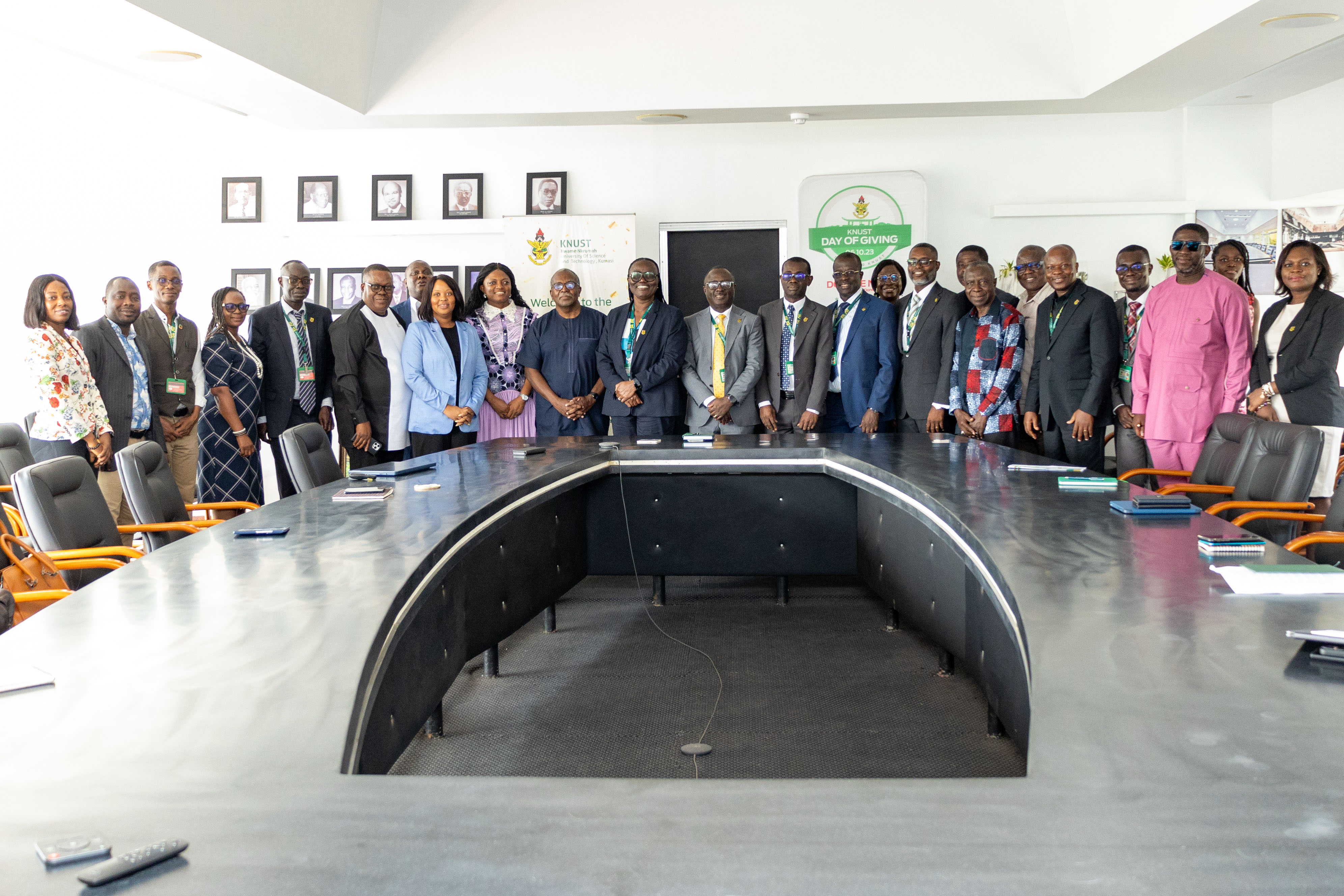
A five-member delegation led by Mr. Kyeretwie Opoku, Coordinator of the 24-Hour Economy Secretariat, has visited the Kwame Nkrumah University of Science and Technology, Kumasi (KNUST) to initiate discussions on collaboration for the implementation of Ghana’s 24-Hour Economy Programme.
The visit marks the beginning of what both parties describe as a strategic partnership aimed at aligning research, innovation and technical expertise with national economic transformation goals.
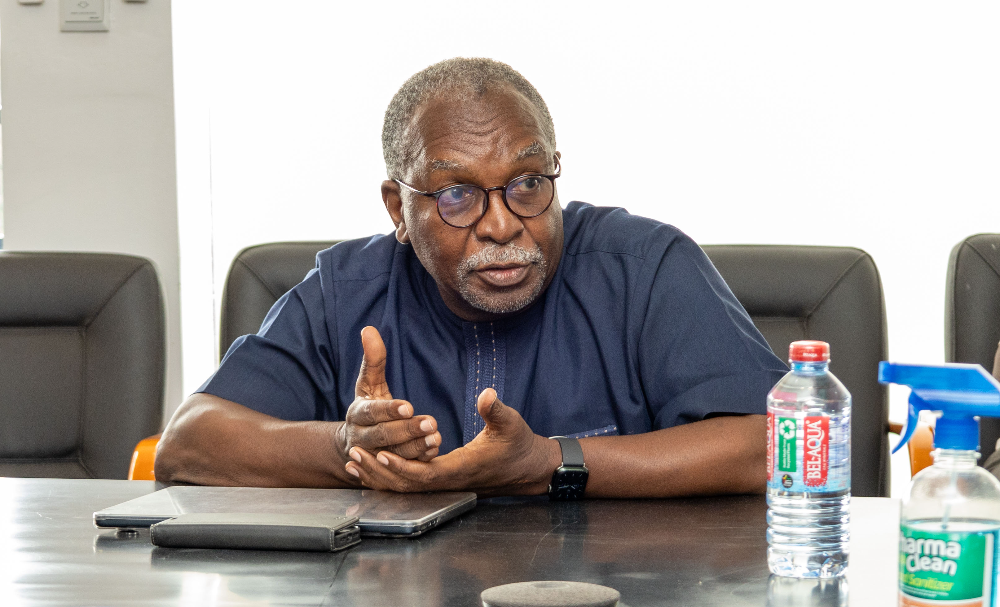
Presenting the government’s vision, Mr. Opoku described the 24-Hour Economy as a comprehensive national initiative designed to transform Ghana into a hub of investable opportunities.
According to him, the policy seeks to maximise economic productivity through continuous industrial operations, accelerated export development and strategic import substitution. He explained that the initiative is structured to ensure that economic growth translates into tangible benefits for citizens.
“The 24-Hour Economy is a catalyst for an economy that works for everyone. We need to get back to an economy where the benefits of growth are reflected in the employment of our people,” he said.
Mr. Opoku outlined eight key sectors under the programme: Make 24, focusing on manufacturing; Build 24, targeting construction and infrastructure development; Grow 24, driving agricultural transformation; Connect 24, strengthening supply chains; Show 24, promoting Ghana’s culture and tourism; Aspire 24, concentrating on human capital development, especially through universities equipping youth with technical skills and the right work ethic; Go 24, enhancing social mobility; and Fund 24, mobilising capital for implementation.
He noted that the Secretariat’s visit to KNUST was to establish a mutually beneficial relationship to support research, technical advisory services, industry park development and training opportunities under the policy framework.
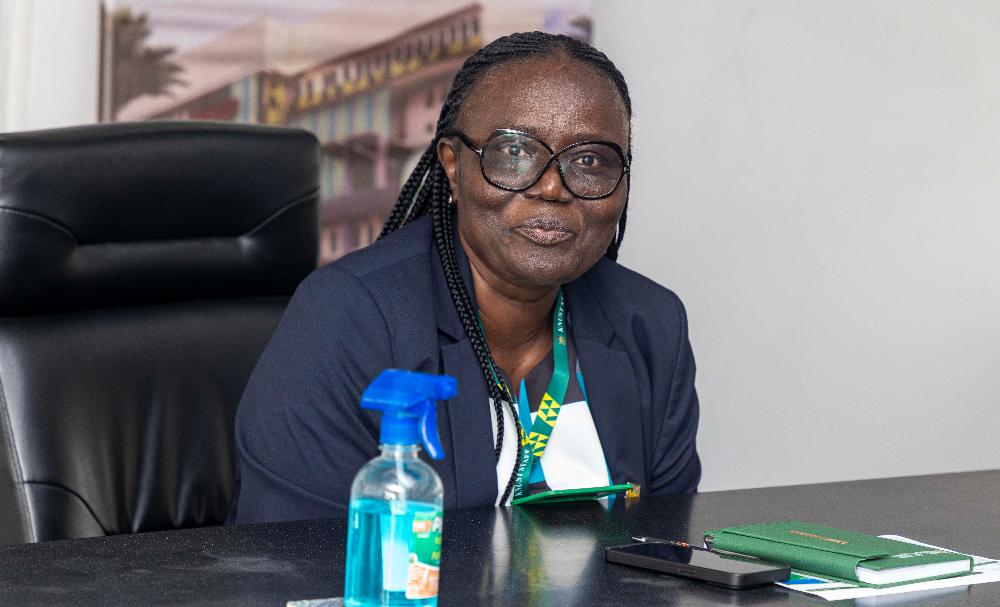
The Vice-Chancellor, Professor (Mrs.) Rita Akosua Dickson, reaffirmed the university’s commitment to partnering with the Secretariat, emphasising that the ultimate goal of the collaboration must be to improve the lives of Ghanaians.
“If we all decide that it must work, then I think it will work. As a university, I want to assure you of our commitment and our dedication to work with you on this journey,” she said.
Professor Dickson also urged that the programme be streamlined and broken down across the various colleges and departments to ensure effective implementation and measurable outcomes.
Professor Francis Davis, Director of the TCC–International Center for Innovation, Manufacturing, Technology Transfer and Entrepreneurship (TCC-CIMET), noted that flagship government programmes require strong research and technical backing, adding that discussions are already ongoing with relevant sectors to operationalise the collaboration.
The Vice-Chancellor subsequently opened the floor for discussions, where both teams deliberated on the various sub-programmes and identified key sectors within the university for potential collaboration in research, technical advisory services, industrial development and training.
By: Abena Serwaa Gyamfi Photos: Michael Kwawu


